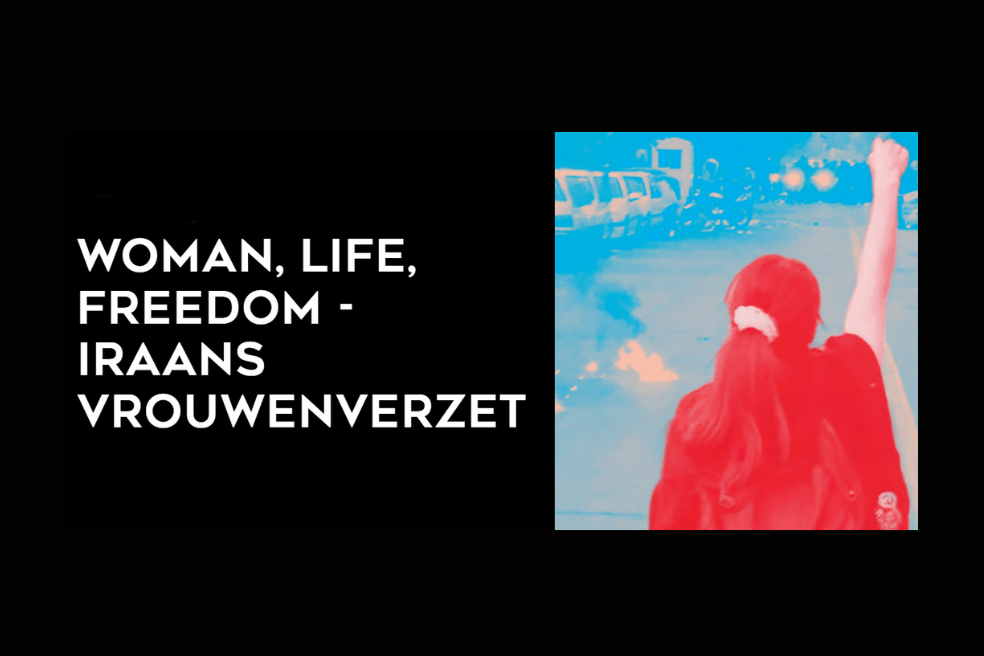
Women, Life, Freedom – Iranian women’s resistance
February 7, 2026
How Do Women’s Museums Promote Access to Justice for Women and Girls?
March 15, 2026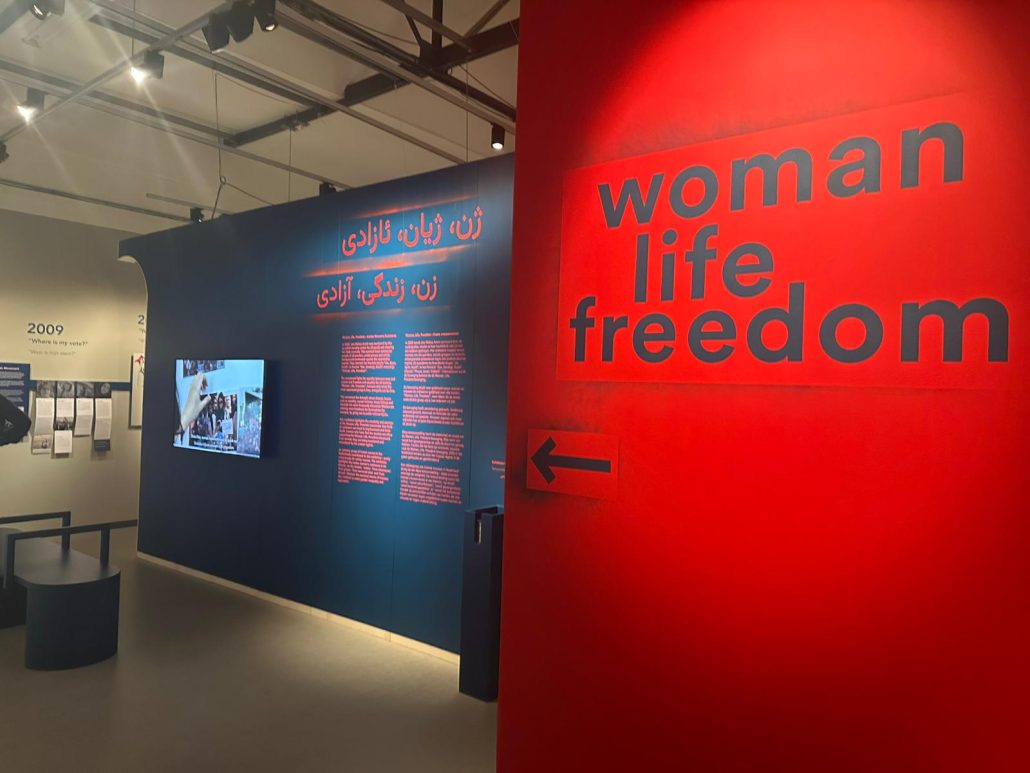
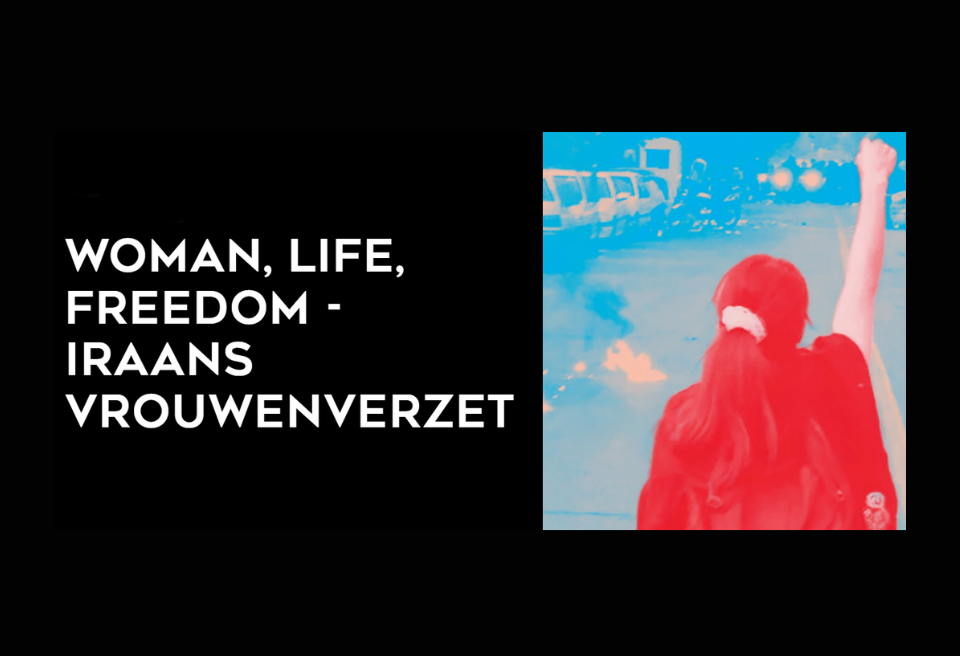
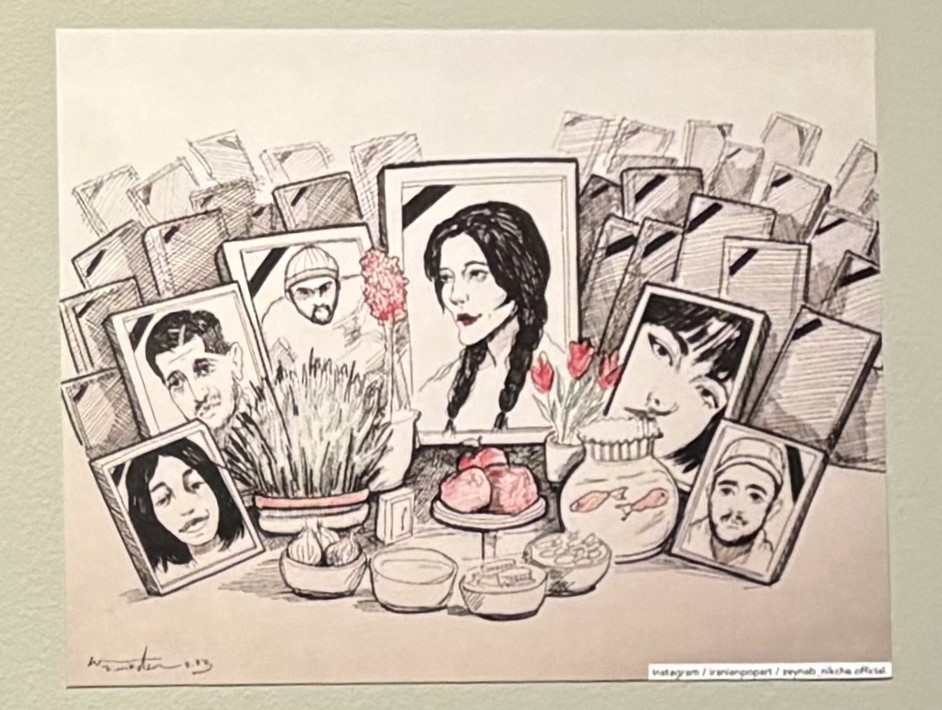
The spark that ignited the Woman, Life, Freedom movement was struck in September 2022, when 22-year-old Kurdish woman Mahsa (Jina) Amini was killed by Iran’s forced hijab police in Tehran. Yet what began as a single act of state violence in the capital did not remain confined there.

The journey of this movement began at Mahsa’s funeral in a cemetery in Saqqez, Kurdistan, and from there it spread across Iran. From Kurdistan to Baluchestan, Gilan, Mazandaran, Khorasan, Fars, Azerbaijan, and other parts of the country.
Its journey did not stop at the country’s borders. The movement resonated across the globe, drawing support from the Iranian diaspora, feminists throughout the Middle East, and Western countries. It became a bridge carrying the collective demands for women’s liberation and the pursuit of equality, freedom, human dignity, the right to choose, and women’s bodily autonomy and self-determination.

Four years after the beginning of this movement, the Verzetsmuseum Amsterdam, in solidarity with its aspirations, committed to organizing an exhibition presenting the history of Iranian women’s movements — from the mid-nineteenth century and the Constitutional Revolution to the Woman, Life, Freedom movement, 2022-

From its inception to its realization, the exhibition was supported by a dedicated and professional team at the Verzetsmuseum Amsterdam. The museum’s director, Karlien Metz, together with her colleagues Femke Burger, Lou Steiner, and Tim Smeets, accompanied the project throughout the entire process.
At the outset, they established an advisory committee composed of three Iranian women representing three different generations of Iran’s women’s movement. The committee included Mansoureh Shojaee, founder of the Iranian Women’s Movement Museum, along with Nilou Yekta and a young Iranian PhD students.
In addition to these individual contributors, the Iranian Women’s Movement Museum supported the exhibition by lending two artworks by Vida Rabbani and Leila Hosseinzadeh, both of whom were imprisoned during the Woman, Life, Freedom movement.

The exhibition was further enriched by the inclusion of works by Parastou Forouhar, a member of the Board of Trustees of the Iranian Women’s Movement Museum, whose artistic practice added a powerful and distinctive Iranian voice to the exhibition.

The collaboration with Iranian designers, including Sara Emami, Iranian content editors, and Iranian advisors of the women’s movement, brought the exhibition to life in a way that faithfully reflected the spirit and reality of the Woman, Life, Freedom movement.

Opening Event
Due to security considerations and space constraints, the opening evening was held by invitation only, with representatives of Dutch museums, participating Iranian and Dutch artists, members of the press, and a small number of special guests.
The ceremony opened with a speech by Karlien, the museum’s director. This was followed by a panel discussion in the form of an interview, moderated by Karlien and featuring Mansoureh Shojaee and another Iranian member of the advisory committee.

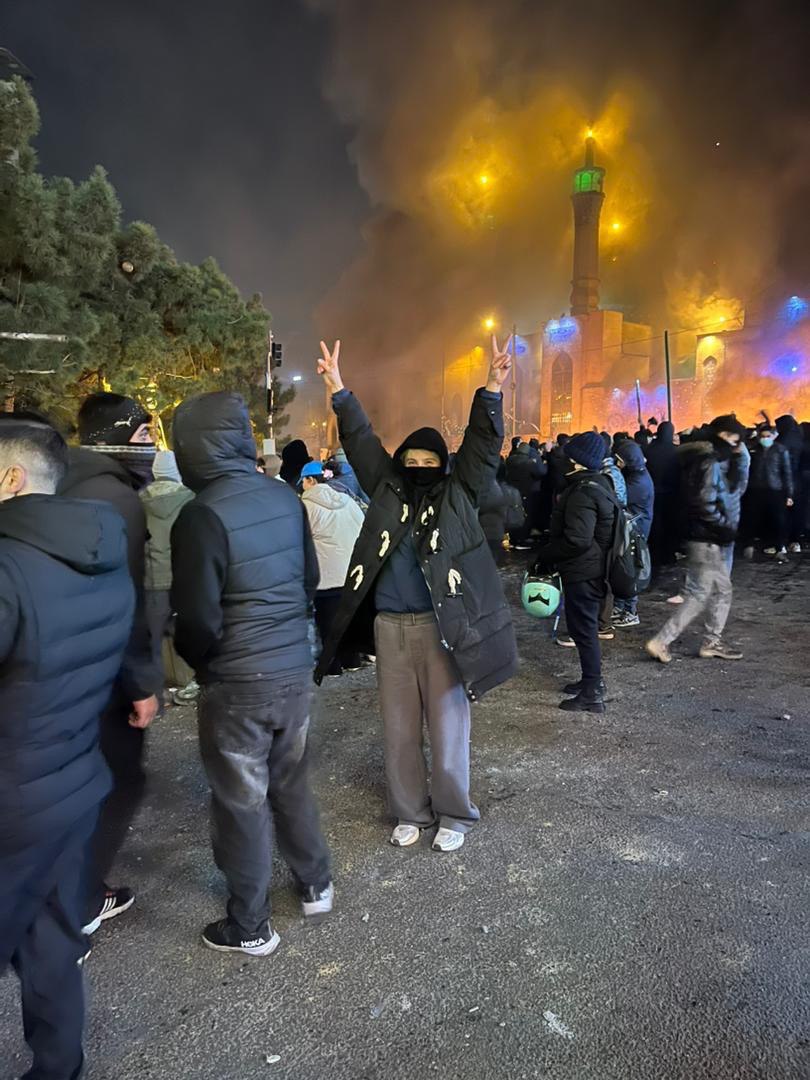
The discussion also addressed the nationwide uprising in Iran, which began in December with protests against rising prices, inflation, and government corruption, and escalated in early January into an unprecedented massacre that killed forty thousand people.
At the conclusion of the panel, Karlien invited Parastou Forouhar, Leila Hosseinzadeh and Sara Emami to the stage to formally declare the exhibition open.

The Woman, Life, Freedom exhibition will remain open to the public through August 2026.

Read more: