How Do Women’s Museums Promote Access to Justice for Women and Girls?
March 15, 2026
A Side Event to the 70th Session of the UN Commission on the Status of Women (CSW)
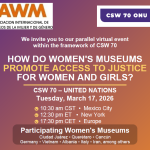
PRESENTATION The International Association of Women’s Museums (IAWM) held its first bilingual webinar on March 18th, 2026, bringing together 16 participants and members from across the globe. This virtual meeting was organized within the framework of the 70th session of the United Nations’ Commission on the Status of Women (CSW) in New York.
The IAWM, which originated in 2008 in Italy and was formally established in 2012, now connects more than 200 women’s museums worldwide. As a platform for synergy, the association plays a crucial role in supporting gender-related initiatives and disseminating the work of women’s museums across five continents.
Following the main theme of the 70th CSW—”Ensuring and Strengthening Access to Justice for Women and Girls”—the webinar explored how women’s museums serve as more than just cultural institutions. Speakers from Mexico, Germany, and Iran shared their experiences, highlighting how these spaces use memory, research, and education to make women’s struggles visible and contribute to justice in cultural and social dimensions.
A MESSAGE FROM THE IRANIAN WOMEN’S MOVEMENT MUSEUM (IRWMM)
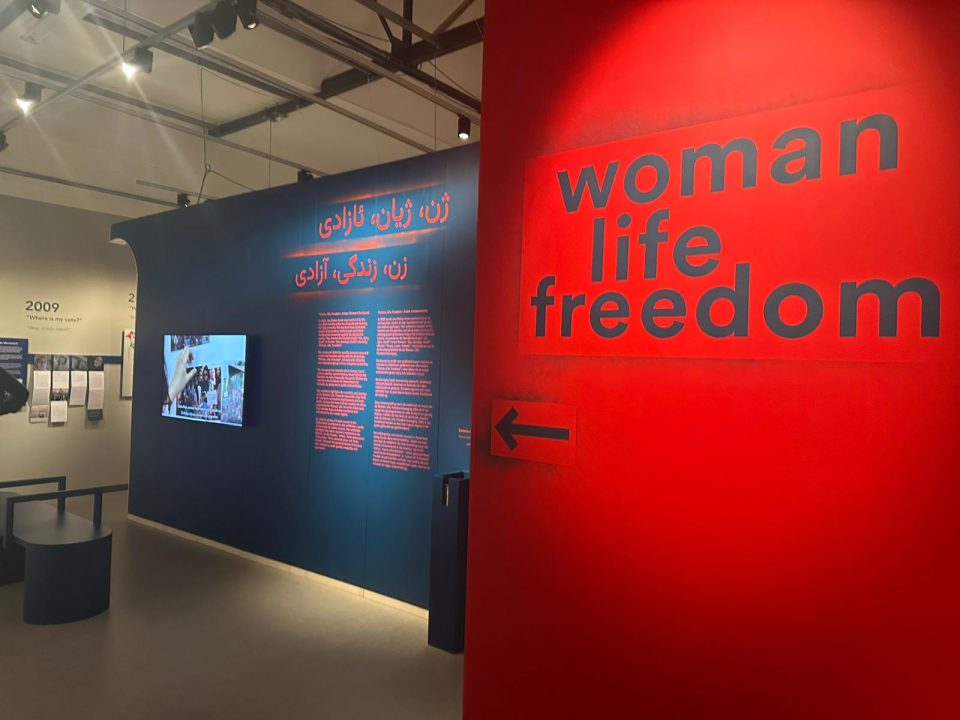
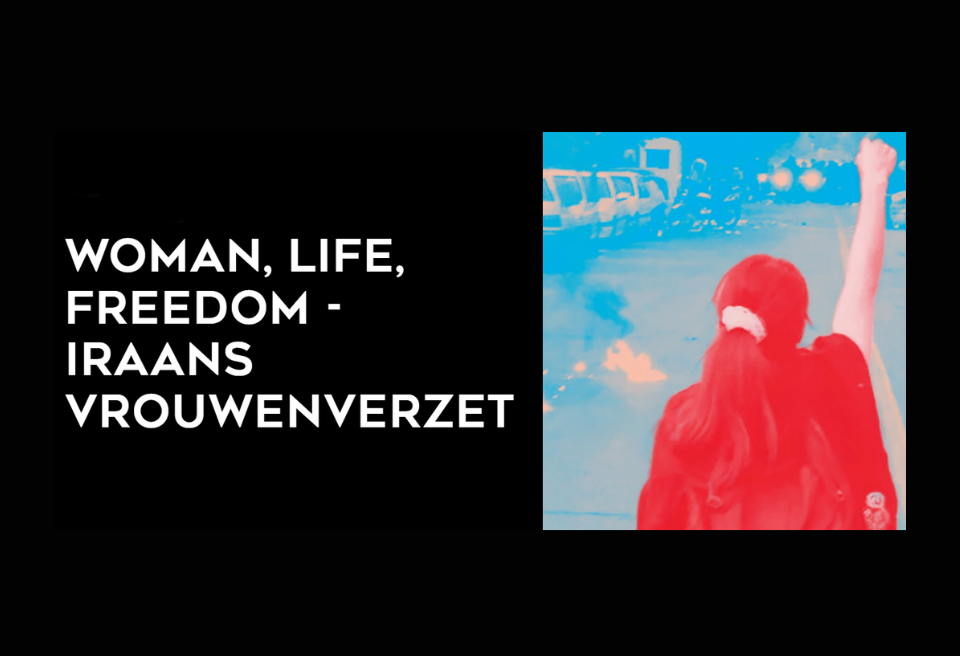
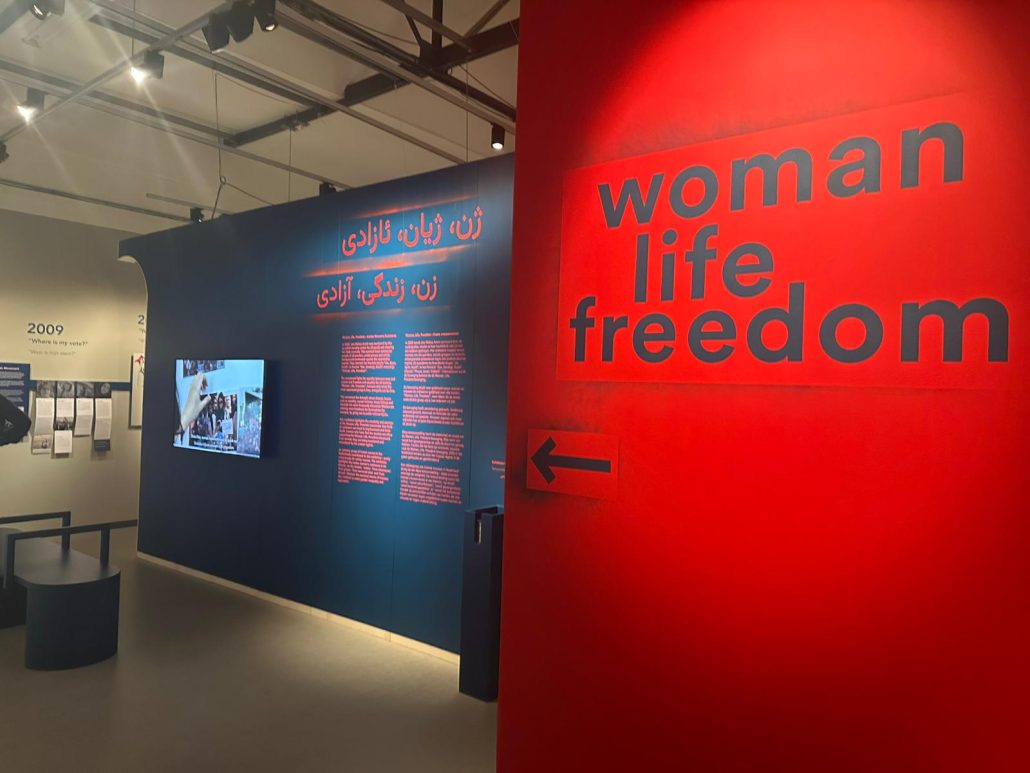
One of the most poignant moments of the event was a video presentation by Mansoureh Shojaee, an Iranian women’s rights activist, researcher, and co-founder of the “One Million Signatures Campaign”. After being arrested multiple times for her activism and forced into exile, Shojaee founded the Digital Museum of the Iranian Women’s Movement (DMIWM) in Germany to document the history of women’s struggle for equality in Iran.
In her recorded message, Shojaee emphasized that while the IRWMM has grown in the diaspora with the support of the IAWM, it remains dedicated to reflecting the voices of women inside Iran through art and memory. She specifically mentioned an ongoing exhibition featuring handmade works and biographies of women political prisoners in Iran.
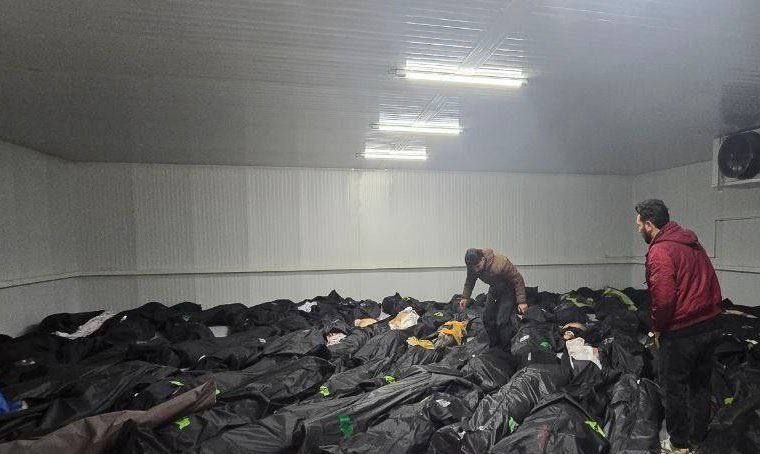
Addressing the theme of justice, Shojaee highlighted the severe injustices currently faced by Iranian women—from state repression and systematic discrimination to the devastating impact of military threats and economic hardship.

JUSTICE FIRST MEANS AN END TO WAR AND THE ESTABLISHMENT OF A LASTING PEACE
Shojaee’s powerful closing statement served as a firm demand for human dignity. For the Iranian Women’s Movement Museum, justice is inseparable from the right to self-determination—the right of women to decide over their own bodies and to shape the future of their country without the shadow of missiles and fear.
ABOUT THE AUTHOR This report was elaborated by Beatriz A. Campillo Carrete.
Beatriz A. Campillo Carrete is a Mexican volunteer for the Digital Museum of Iranian Women’s Movement, formed in development studies and public administration. With experience as a program officer, consultant, and political analyst, she has trained and taught in public policy advocacy, international migration, and development studies. She has published extensively on international migration and governance, NGO advocacy, and water conflict and negotiations.
The full report in PDF format is available for download below: